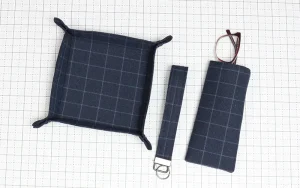
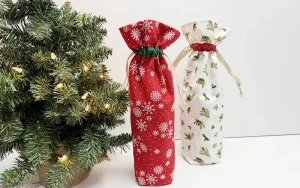
Selling things for infants through 12 years old in the United States comes with some extra things you need to do...
Disclaimer: Some of the links this post may be affiliate and Amazon Associate links where I will earn a small commission at no extra cost to you.
If you plan to sew and sell baby items, you are tapping into a large and rewarding market.
Selling handmade toys, teethers, blankets, bibs, hats, and other baby gear is popular with shoppers who want something personalized or special.
At the same time, items intended for children require extra attention to safety and legal compliance so families stay safe and your business stays out of trouble.
GET A PRINTABLE GUIDE: I’ve created a guide that walks through all of this information and includes links to website pages to learn more. Click the button below to access it with no email opt-in (just make sure your pop-up blocker isn’t on because it opens a new tab)

Why Safety and Legal Compliance Matter
I always like to stay on the legal side of things because I do not want to get sued or have to respond to cease and desist letters.
When you sew and sell baby items you become responsible for meeting safety requirements for products designed for children under 12. If something you sell causes harm, you could face serious legal and financial consequences.
Beyond that, you want the children receiving your items to be safe.
"This is important both for your business and for the kids that will be receiving products."
SHORTCUTS TO SPECIFIC TOPICS:
00:38 Legal Disclaimer
00:53 Get free pdf reference guide
02:06 Consumer Product Safety Improvement Act of 2008
02:23 Things you have to test for as a handmade seller
02:59 What is a Children’s Product Certificate
03:31 Small parts and choking hazard rules
03:59 Flammability Standards
04:45 Deciding if sewing to sell baby items is for you
Key U.S. Regulations to Know

The primary law to understand is the Consumer Product Safety Improvement Act of 2008, commonly called CPSIA. The Consumer Product Safety Commission, or CPSC, enforces rules related to children’s products. These regulations apply to items intended for children under 12, including handmade goods.
What CPSIA and CPSC Focus On
- Lead content: Paints, trims, beads, and certain plastics must meet strict limits for lead. Babies and toddlers often mouth items, so lead-safe materials are essential.
- Small parts and choking hazards: Anything intended for children under three must not have parts that fit into a standardized choking cylinder. Older-kid items often require an age-appropriate warning label.
- Flammability and sharp edges: Soft goods and toys must meet flammability standards and avoid dangerous sharp edges or long cords and drawstrings that can cause strangulation.
- Labeling requirements: Certain labels and warnings are required depending on age group and product type.

Testing, Documentation, and Certificates
Depending on the product and your production scale, you may need to pursue testing and maintain documentation.

Third-party testing: This is usually required for manufacturers and may apply if you mass produce a children’s product. Many small makers will not need this immediately, but larger scale operations must comply.
Children’s Product Certificate (CPC): You must create and keep a CPC that declares the product complies with applicable safety rules. (Learn more) Keep records in case of inquiries or recalls.
Material sourcing: Use paints, fabric treatments, snaps, and trims that are certified or known to meet safety standards. Avoid unknown or uncertified components.
Options for Small-Scale Sellers
If you make items in small batches, there is a registration option called small batch manufacturer registration. This program helps reduce some testing costs for handmade sellers while still requiring you to meet safety standards. It can be a helpful pathway for hobbyists turning into small businesses.
Learn more at: http://www.saferproducts.gov/BusinessRegister/SmallBatchManufacturer
Practical Checklist Before you List Items for Sale
Use this checklist each time you plan to sew and sell baby items so you cover the essentials:
- Decide the intended age group and review the applicable standards for that age.
- Choose materials that meet lead and flammability limits. Verify material specs with suppliers.
- Avoid small parts for items intended for children under three. Test components against the choking cylinder guidance.
- Create and retain a Children's Product Certificate (CPC) showing compliance.
- Label items according to requirements and include any required warnings for older children.
- Consider whether third-party testing is required for your production scale.
- If you produce in small runs, evaluate small batch manufacturer registration options.
- Keep clear records of materials, suppliers, and test reports if you have them.
Deciding if you Should Sew and Sell Baby Items
Sewing and selling baby items is absolutely doable, but it requires a commitment to safety and record keeping.
If paperwork and compliance sound overwhelming, you might choose to sell items not intended for children or focus on adult accessories instead.
On the other hand, many makers successfully sell personalized baby products because buyers value custom work more than mass-market items.
Questions to Ask Yourself
- Am I comfortable sourcing materials that meet safety standards?
- Can I maintain records and create a CPC if needed?
- Do I plan to remain a small-scale seller or scale up to larger production?
Final Notes and Resources
I am not an attorney or compliance expert. This guidance reflects researched information and is intended as a starting point. Always do your own due diligence and verify specific requirements with the Consumer Product Safety Commission and other relevant agencies before you list items for sale.
If you enjoy making baby items and follow safety rules, you can build a trustworthy business and offer beautiful, personalized products families will love. Sew and sell baby items thoughtfully and you will protect your customers and your business.
GET A PRINTABLE GUIDE: I’ve created a guide that walks through all of this information and includes links to website pages to learn more. Click the button below to access it with no email opt-in (just make sure your pop-up blocker isn’t on because it opens a new tab)